
Callus Removers
8 Best Electric Callus Removers for Smooth Feet (2026)
Compare top electric foot grinders by motor RPM, roller coarseness, battery runtime, and water resistance for effortless callus removal.

Compare electric callus removers, cracked heel balms, heated foot massagers, and orthotic insoles by efficacy, skin safety, and real clinical results.
Real-world testing on hard skin, cracked heels, and arch pain.
100% independent scores based on durability and clinical efficacy.
Strict safety checks for diabetics, sensitive heels, and callused skin.
Rechargeable electric callus grinders, nano glass files, and coarse roller heads.
Explore Guides →High-potency 40% Urea creams, exfoliating AHA foot peels, and intensive heel balms.
Explore Guides →Deep tissue shiatsu massagers with infrared heat for plantar fasciitis and neuropathy.
Explore Guides →Rigid biomechanical arch supports, gel heel cups, and cushioning inserts.
Explore Guides →
Compare top electric foot grinders by motor RPM, roller coarseness, battery runtime, and water resistance for effortless callus removal.

Discover fast-absorbing keratolytic creams that break down stubborn fissures and restore baby-soft heels within days.

Target heel spurs and arch stiffness with deep kneading shiatsu rollers, dynamic air compression, and therapeutic heat.
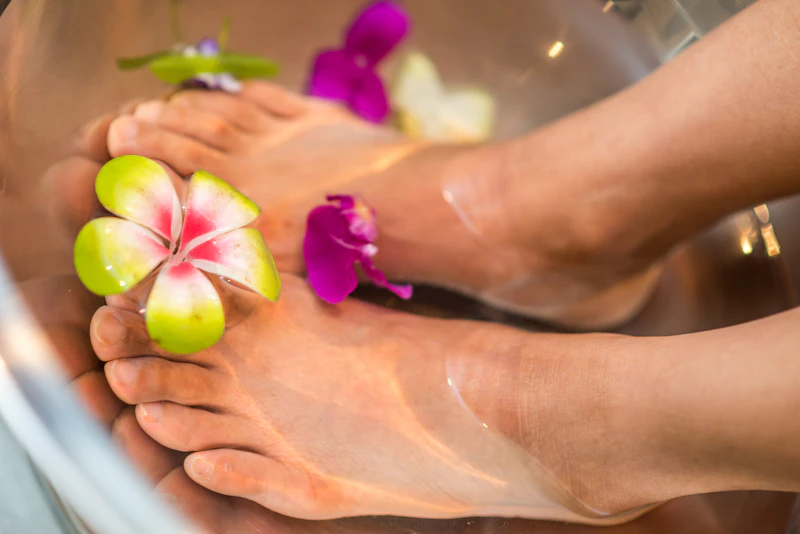
Step-by-step clinical protocol to safely use an electric foot callus remover without skin friction burns, over-thinning, or tissue irritation.
Head-to-head laboratory comparison between etching nano-glass foot files and high-torque electric callus removers across speed, skin safety, and longevity.

Discover the root biomechanical and dermatological causes of recurring foot calluses, from overpronation to improper exfoliation, and how to stop them.
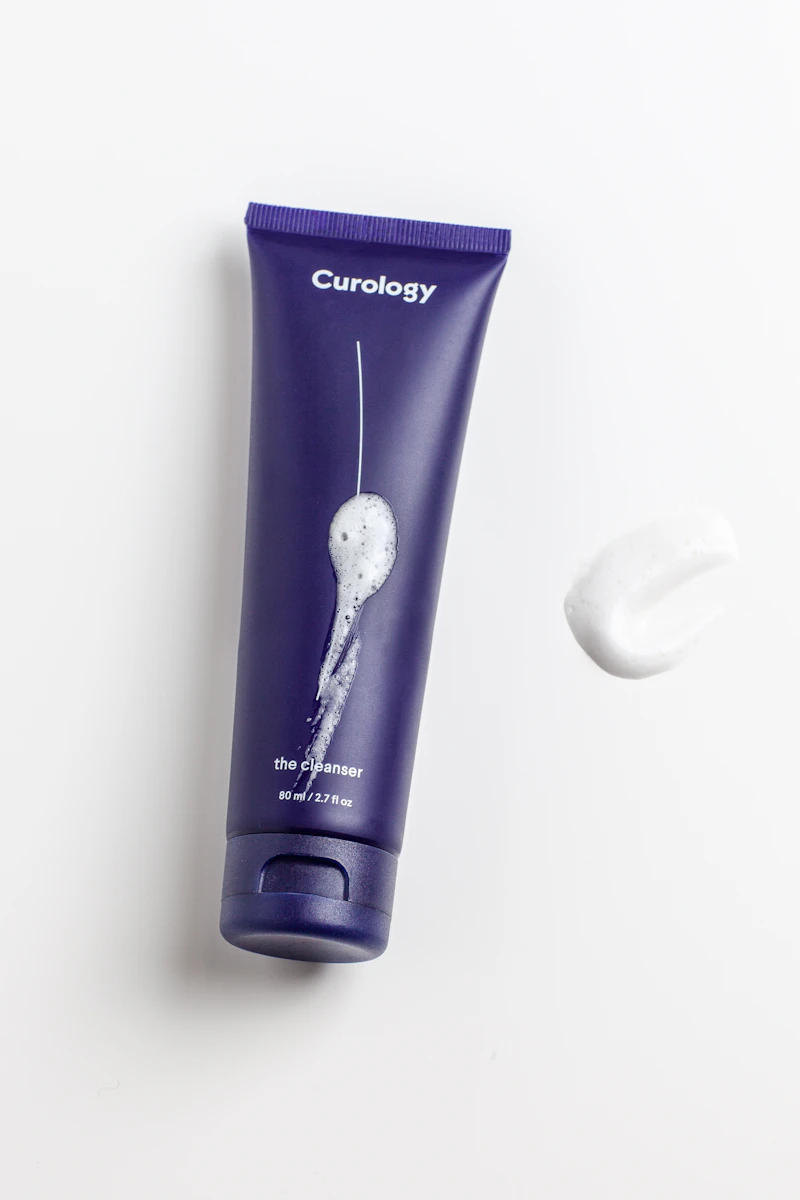
Discover the clinical pharmacological differences between 20% and 40% urea creams for feet, including keratolytic efficacy, absorption, and fissure healing.

Clinical overnight protocol to soothe and seal painful, deep cracked heels using medical-grade urea, liquid fissure seals, and intensive cotton occlusion.
Dermatological comparison of Salicylic Acid (BHA) vs Lactic Acid (AHA) foot treatments, examining lipid solubility, peeling depth, and skin barrier safety.
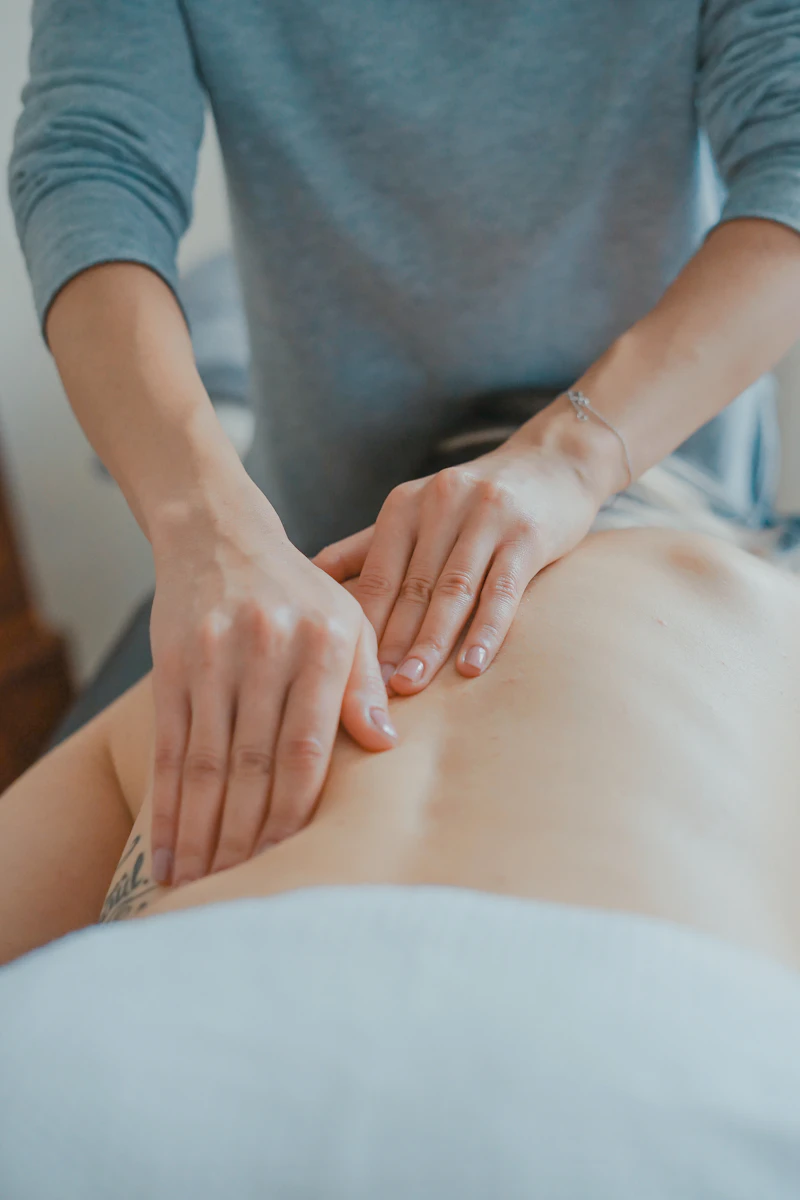
Clinical guidance on foot massager frequency, session duration, and intensity protocols to relieve plantar fasciitis and heel spurs without tissue bruising.
Detailed medical comparison of Shiatsu kneading nodes vs pneumatic Air Compression foot massagers for plantar fasciitis, neuropathy, and poor circulation.

Uncover why feet burn at night (burning feet syndrome), from peripheral neuropathy and B12 deficiency to microcirculatory dysfunction, and how to find relief.
Biomechanical study comparing rigid semi-custom TPU orthotics vs soft memory foam insoles for plantar fasciitis relief and pronation control.

Accurately determine your foot arch type at home with the 3-step Wet Paper Test. Learn how to diagnose flat feet (pes planus), normal, or high arches (pes cavus).

10 clinical signs indicating you need orthotic insoles, comparing over-the-counter (OTC) supportive insoles with custom podiatric laboratory orthotics.
Yes, when used with proper technique. Start with a fine or medium roller head on clean, dry feet. Never press too hard into deep cracks or fissures to prevent skin tears. Follow up immediately with a hydrating 20% to 40% urea cream to lock in moisture.
Dermatologists and podiatrists typically recommend 40% Urea cream for thick calluses and severely cracked heels. Urea at this concentration acts as a potent keratolytic agent that dissolves dead keratin bonds without stinging.
For acute morning arch pain and plantar fasciitis flare-ups, a 15 to 20-minute session once or twice daily is optimal. Use gentle kneading pressure and mild heat to stimulate blood circulation and loosen the plantar fascia ligament.